Yoga & Pilates Connecting Consciousness & Whole-Body Commitment
Yoga & Pilates are both excellent forms of exercise with many similarities, yet they are different disciplines with diverse origins and techniques.
Pilates has grown in popularity for good reason. It’s a powerful exercise that offers benefits far beyond stretching or core work. Whether you’re new to the mat or a seasoned practitioner, Pilates can help you move better, feel stronger, and live with more balance and control.
Here are seven impactful ways Pilates improves the body.
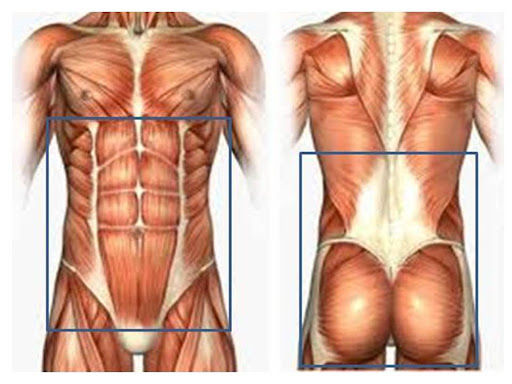
Pilates is famous for targeting the “powerhouse” — the deep abdominal muscles, lower back, hips, and pelvic floor. By strengthening these muscles, Pilates improves posture, stability, and overall strength, which translates into better performance in daily life and other workouts.
Modern life often means long hours sitting at desks or looking down at phones. Pilates emphasizes spinal alignment and body awareness, helping to correct poor posture habits. As you become more mindful of how you carry yourself, you’ll naturally stand taller and move with more confidence.
Unlike static stretching, Pilates promotes dynamic, controlled movements that lengthen muscles while maintaining strength. This balance improves your range of motion and helps prevent stiffness, making your body feel more open and agile.
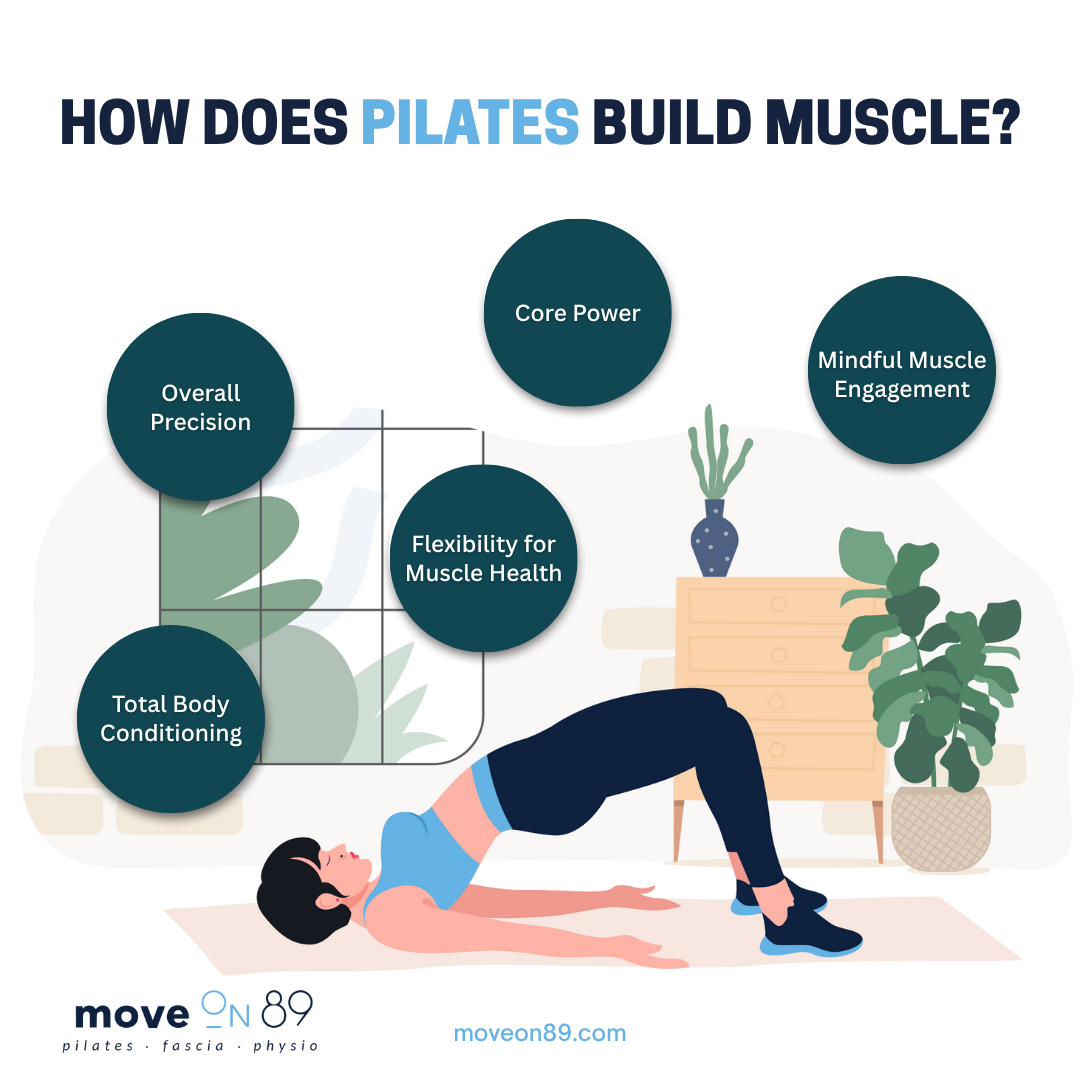
Pilates develops long, lean muscles through low-impact, high-repetition movements. Instead of bulking up, you’ll notice improved muscle tone and definition, especially in the arms, legs, glutes, and abs, without added strain on your joints.
Pilates trains your mind to connect with your body. This heightened awareness helps you move more efficiently, avoid injuries, and correct imbalances. It’s like upgrading your internal GPS; you’ll know exactly where your body is in space and how to move it safely.
Pilates is frequently incorporated into physical therapy programs for its low-impact, controlled movements and focus on core strength and alignment. According to a study published in the Journal of Exercise Rehabilitation, participants who followed a Pilates program over eight weeks experienced significant improvements in dynamic balance, flexibility, and muscle endurance. These enhancements are critical in both preventing injuries and supporting rehabilitation, particularly in populations recovering from musculoskeletal conditions.
The study also highlighted how Pilates can activate deep stabilizing muscles, such as the transversus abdominis and multifidus, that are often neglected in conventional workouts.
Strengthening these muscles improves postural control and spinal stability, which are essential for avoiding chronic pain and future injury. By retraining the body to move with greater precision and balance, Pilates lays a solid foundation for long-term joint health and physical resilience.
Pilates isn’t just a physical workout; it also calms the mind. The focus on breath and controlled movement promotes a meditative state, helping reduce stress and improve mental clarity. Many people leave a Pilates session feeling both energized and relaxed.
Pilates builds a solid foundation from the inside out, helping you improve everything from posture and flexibility to focus and mental wellbeing. Whether you’re recovering from an injury, looking to complement your current fitness routine, or just starting your wellness journey, Pilates offers a low-impact yet highly effective way to enhance your overall quality of life.
Best of all, it’s accessible to all ages and fitness levels. With consistent practice, you’ll notice real changes in how you move, feel, and function — both on and off the mat.
Whether you prefer the energy of a group or the focus of a one-on-one session, our Cape Town-based Pilates studio offers expert instruction to help you improve your posture, build strength, and feel great. Book your Pilates class today!

Yoga & Pilates are both excellent forms of exercise with many similarities, yet they are different disciplines with diverse origins and techniques.

Pilates is all about form and intentional movement, so when it comes to having a successful session, anything that can restrict or limit your motion is best.

For many, the six principles form the foundation of Pilates. Why do these principles matter and how can you utilise them to benefit your body and mind?
We use cookies to track visitors, measure ads, ad campaign effectiveness and analyze site traffic. We may also share information about your use of our site with 3rd parties. For more info, see, our Cookies Policy, our Privacy Policy. By clicking “Accept All” you agree to the storing of all cookies on your device. In case you don’t choose one of these options and use our website, we will treat it as if you have accepted all cookies.