Bone Density & Exercise: How Movement Builds Stronger Bones at Any Age

By Dominic Pereira

Bone health is something many people only think about later in life, often when problems like fractures or osteoporosis arise. The truth is that bone density is built, maintained, and protected through daily habits across every stage of life. One of the most powerful tools we have to support strong bones is exercise. Not supplements alone. Not genetics alone. Movement.

Whether you are in your twenties, building peak bone mass, in midlife trying to maintain it, or in your sixties aiming to slow bone loss, the right type of exercise can make a measurable difference.

In this article, we explore the relationship between exercise and bone density, why bone health matters more than most people realise, and how evidence-based movement practices, including Pilates, can support stronger bones at any age.

So, how can you manage inflammation through your diet and lifestyle? Let’s dive into the details.

What Is Bone Density and Why Does It Matter?

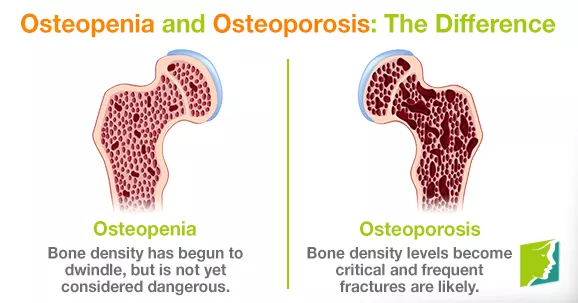
Bone density refers to how much mineral content, mainly calcium and phosphorus, is packed into your bones. Higher bone density generally means stronger bones that are less likely to fracture. Lower bone density increases the risk of conditions like osteopenia and osteoporosis.

Chronic inflammation is often caused by lifestyle factors, including poor diet, lack of exercisestress, and exposure to toxins.

Bone Density & Exercise: Diagram of the difference between osteopenia and osteoporosis.
Image Credit: Ace Health Centre

Bone is living tissue. It constantly remodels itself through a process in which old bone is broken down, and new bone is formed. During childhood and early adulthood, bone formation outpaces bone breakdown. Peak bone mass is usually reached by the late twenties or early thirties. After that, bone loss gradually begins, accelerating for women after menopause and for men later in life.

Low bone density matters because fractures can significantly impact quality of life. Hip and spinal fractures, in particular, are associated with long recovery times, reduced independence, and increased health risks.

The good news is that exercise can strengthen your bones, even later in life.

How Exercise Affects Bone Density

Bones respond to stress. When muscles pull on bones during movement, they create mechanical loading which signals the body to strengthen bone tissue in response. This principle is known as Wolff’s Law, which states that bone adapts to the loads placed upon it.

Not all exercise has the same effect on bone density. Activities that involve impact, resistance, or weight bearing are especially effective because they challenge the skeleton.

Key ways exercise supports bone health include:

  • Stimulating bone formation through mechanical stress
  • Slowing age-related bone loss
  • Improving balance and coordination, reducing fall risk
  • Increasing muscle strength, which further protects bones

This is why a well-rounded movement routine is so important. It is not only about bone density in isolation, but about creating a body that supports long-term skeletal health.

The Best Types of Exercise for Stronger Bones

1. Weight-Bearing Exercise

Weight-bearing exercises are movements where you work against gravity while staying upright. Examples include walking, hiking, dancing, stair climbing, and running.

Bone Density & Exercise: Diagram of Weight Bearing Exercises
Image Credit: Shine365

These activities stimulate bone growth primarily in the hips, legs, and spine. Even brisk walking can help maintain bone density when done consistently.

For those living an active lifestyle in Cape Town, outdoor walking, hiking (Table Mountain, one of the New Seven Wonders of Nature), and dance-based fitness are accessible and effective ways to support bone health.

2. Resistance and Strength Training

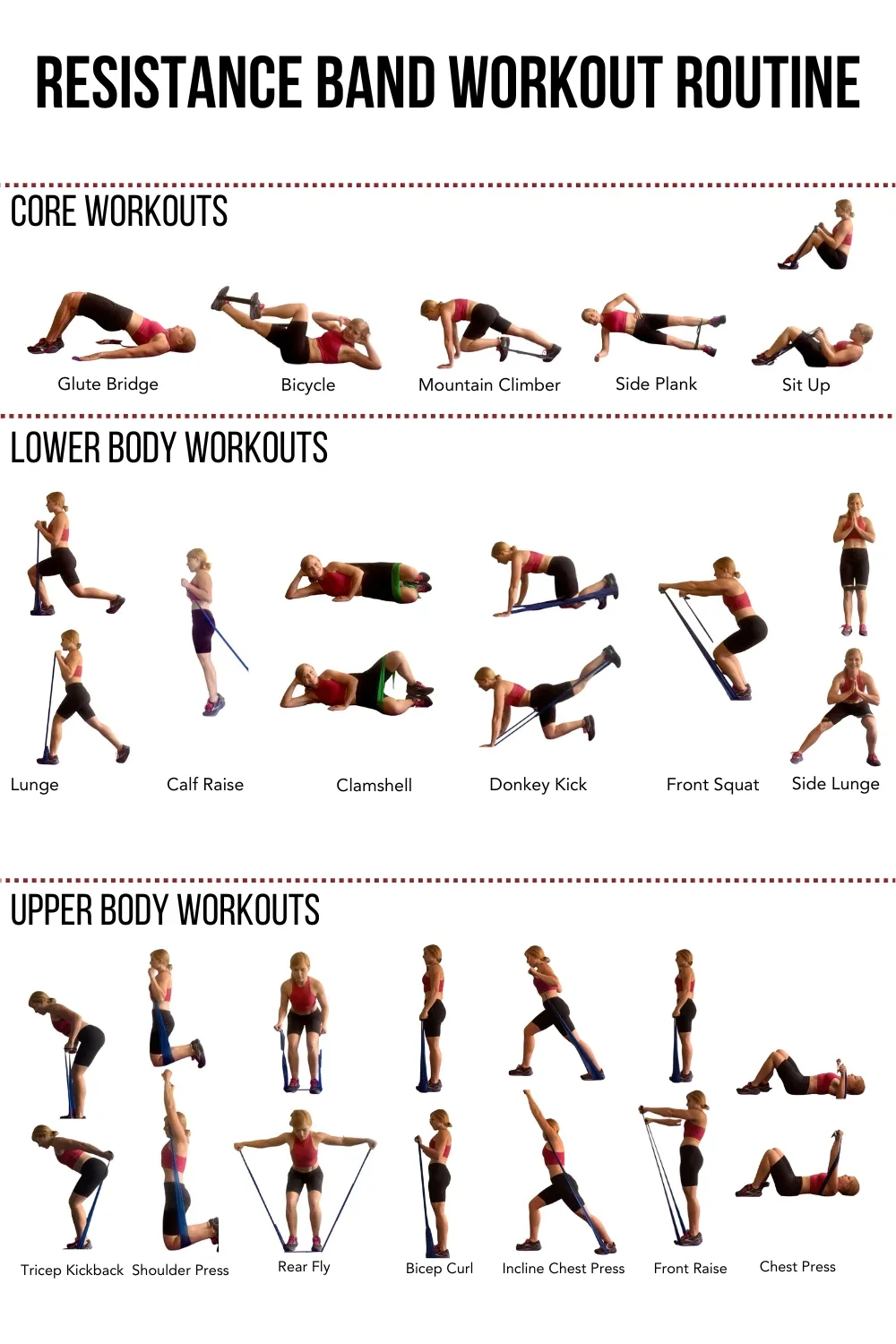
Strength training places direct stress on bones through muscle contraction. Lifting weights, using resistance bands, or performing bodyweight exercises like squats and lunges can significantly improve bone density.

Research consistently shows that resistance training is one of the most effective ways to prevent bone loss, particularly in postmenopausal women and older adults. The key is progressive loading. Muscles and bones need a gradually increasing challenge to adapt.

3. Pilates and Bone Health

Pilates is often associated with flexibility and core strength, but it also plays an important role in bone health when taught and practiced correctly.

Pilates focuses on controlled, weight-bearing movement, spinal alignment, posture, and muscle balance. While traditional mat Pilates is generally low-impact, many Pilates exercises involve resistance, particularly when using apparatus such as the Reformer, Cadillac, or Chair.

For people searching for Pilates in Cape Town, working with qualified instructors who understand bone health is essential.

A well-designed Pilates programme can:

  • Strengthen muscles that support the spine and hips
  • Improve posture, reducing spinal compression risk
  • Enhance balance and coordination
  • Safely load bones through controlled resistance

Pilates is especially beneficial for individuals with osteopenia or early osteoporosis who may need a lower-impact but still effective approach to strength and bone loading.

4. Balance and Functional Training

Falls are a leading cause of fractures, particularly in older adults. Exercises that improve balance, coordination, and proprioception reduce the risk of falling and, therefore, protect bones indirectly.

Pilates, yoga, and functional strength training all help develop body awareness and stability. This is a crucial but often overlooked aspect of bone health.

Exercise Guidelines by Age Group

In Your 20s and 30s

This is the prime time to build peak bone mass. A combination of weight-bearing cardio, strength training, and dynamic movement provides the strongest foundation.

Aim for:

  • 2 to 3 strength sessions per week
  • Regular weight-bearing activity
  • Cross-training to challenge the body in different ways

In Your 40s and 50s

Bone loss may begin to accelerate, especially for women during perimenopause and menopause. Strength training becomes non-negotiable.

Focus on:

  • Progressive resistance training
  • Posture and spinal alignment
  • Core strength and stability, where Pilates can be particularly effective

In Your 60s and Beyond

The goal shifts to maintaining bone density, preserving strength, and preventing falls.

Key priorities include:

  • Safe resistance exercises
  • Balance and coordination training
  • Low-impact weight-bearing movement

Working with trained professionals experienced in bone health can help tailor exercise to individual needs and limitations.

Common Myths About Exercise and Bone Density

Myth: It is too late to improve bone density.

While it is true that building new bone is easier earlier in life, research shows that targeted exercise can slow bone loss and even increase bone density at any age.

Myth: Only high-impact exercise helps bones.

High-impact activities can be beneficial, but they are not suitable for everyone. Resistance training and controlled loading, such as Pilates, can also be highly effective.

Myth: Supplements are enough.

Calcium and vitamin D support bone health, but without mechanical loading through exercise, their benefits are limited.

Bringing It All Together

Bone density is not just a medical concern. It is a lifestyle outcome shaped by how we move every day. Exercise sends a powerful signal to your body that your bones need to be strong, resilient, and adaptable.

Strong bones support an active, independent life. No matter your age, it is never too early or too late to invest in movement that builds strength from the inside out.

Ready To Move for Stronger Bones?

Looking to strengthen your bones and feel more confident in your movement? Our Pilates classes in Cape Town, and specifically our Bone Builder class, are designed to improve bone density, build strength, and support balance, no matter your age or fitness level. 

Book your class today.

If you liked this, you'll love these...

We use cookies to track visitors, measure ads, ad campaign effectiveness and analyze site traffic. We may also share information about your use of our site with 3rd parties. For more info, see, our Cookies Policy, our Privacy Policy. By clicking “Accept All” you agree to the storing of all cookies on your device. In case you don’t choose one of these options and use our website, we will treat it as if you have accepted all cookies.

We use cookies to track visitors, measure ads, ad campaign effectiveness and analyze site traffic. We may also share information about your use of our site with 3rd parties. For more info, see, our Cookies Policy, our Privacy Policy. By clicking “Accept All” you agree to the storing of all cookies on your device. In case you don’t choose one of these options and use our website, we will treat it as if you have accepted all cookies.