Harnessing CO2 Fitness for Stress Reduction

By Dominic Pereira

In today’s fast-paced world, stress has become an inevitable part of life. From demanding work schedules to personal responsibilities, many individuals find themselves overwhelmed by stress. Fortunately, innovative methods are emerging to combat stress, one of which is CO2 fitness.

Understanding CO2 Fitness

CO2 fitness, also known as carbon dioxide therapy or CO2 tolerance training, involves controlled exposure to elevated levels of carbon dioxide. This exposure triggers a series of physiological responses in the body, leading to various health benefits.

While the concept may sound unconventional, research suggests that CO2 fitness can be an effective tool for stress reduction and overall well-being.

How CO2 Fitness Works

At its core, CO2 fitness stimulates the body’s respiratory and cardiovascular systems. When exposed to increased levels of carbon dioxide, the body responds by adjusting its breathing patterns and circulation. This process helps improve oxygen delivery to tissues, enhances circulation, and promotes relaxation.

Key Benefits of CO2 Fitness for Stress Reduction

Improved Breathing Patterns

CO2 fitness encourages deep diaphragmatic breathing, which can help counteract shallow breathing patterns associated with stress and anxiety.

Enhanced Relaxation Response

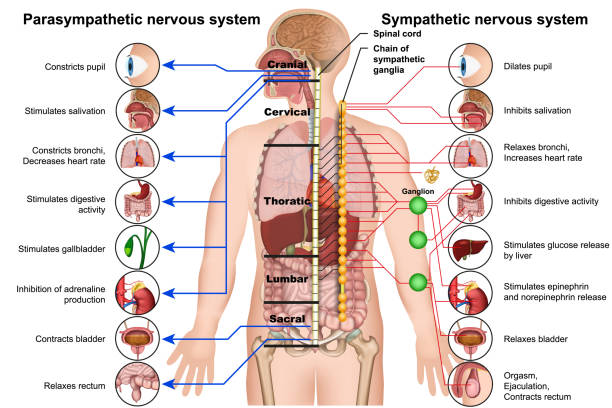
Exposure to elevated CO2 levels triggers the body’s parasympathetic nervous system, promoting relaxation and reducing the physiological effects of stress.

Parasympathetic nervous system graph
Photo Credit: Trauma-Sensitive Yoga

Regulation of Stress Hormones

CO2 fitness has been shown to modulate stress hormone levels such as cortisol, leading to a more balanced stress response.

Increased Resilience

Regular practice of CO2 fitness can enhance resilience to stressors, enabling individuals to cope more effectively with life’s challenges.

Improved Mental Clarity

CO2 fitness can enhance cognitive function and mental clarity by promoting relaxation and reducing stress.

How To Conduct the CO2 Test

If you’re interested in gauging your current CO2 tolerance level, you can take a simple test.

Follow the steps outlined below for the CO2 Tolerance Test and then assess your results.

  1. Prepare a timer and have it nearby.
  2. Inhale and exhale normally three times through your nose.
  3. Inhale deeply for a fourth time, filling your lungs completely.
  4. Start the timer as you begin to exhale.
  5. Exhale slowly through your nose for as long as possible.
  6. Stop the timer when you’ve completely emptied your lungs.
  7. If you accidentally hold your breath or swallow during the exhale, pause the timer as proper exhalation has ceased.
  8. Record your time and compare it to the interpretations below.

Interpreting The Results

  • Over 80 seconds: Elite – Demonstrates advanced pulmonary adaptation, excellent breathing control, and stress management.
  • 60- to 80 seconds: Advanced – Indicates a healthy pulmonary system, good breathing control, and moderate stress management.
  • 40- to 60 seconds: Intermediate – Suggests potential for rapid improvement with additional tolerance training.
  • 20 to -40 seconds: Average – Indicates a moderate to high stress/anxiety state; improvement in breathing pattern is recommended.
  • Under 20 seconds: Poor – Suggests very high levels of anxiety and stress sensitivity, along with limited pulmonary capacity and possible mechanical restrictions.

Implementing CO2 Fitness Into Your Routine

Incorporating CO2 fitness into your lifestyle is easier than you might think. Whether through guided breathing exercises, specialized CO2 training programs, or sessions in environmental chambers, there are various ways to reap the stress-reducing benefits of CO2 fitness.

By incorporating CO2 Fitness techniques into your daily routine, you can experience improved mental and physical well-being, enhanced resilience to stress, and greater overall vitality.

Take a deep breath, exhale slowly, and embark on a journey towards a calmer, more balanced life with CO2 Fitness.

If you liked this, you'll love these...

What is Fascia?

Fascia is found everywhere in the body. In this article, we look at what fascia is, how it affects the body and why we want our fascia to be fit!

Read More »

We use cookies to track visitors, measure ads, ad campaign effectiveness and analyze site traffic. We may also share information about your use of our site with 3rd parties. For more info, see, our Cookies Policy, our Privacy Policy. By clicking “Accept All” you agree to the storing of all cookies on your device. In case you don’t choose one of these options and use our website, we will treat it as if you have accepted all cookies.

We use cookies to track visitors, measure ads, ad campaign effectiveness and analyze site traffic. We may also share information about your use of our site with 3rd parties. For more info, see, our Cookies Policy, our Privacy Policy. By clicking “Accept All” you agree to the storing of all cookies on your device. In case you don’t choose one of these options and use our website, we will treat it as if you have accepted all cookies.