Mental Health Through Movement
Discover how Pilates and Fascial Fitness can positively impact your mental health. Explore the benefits and transformative effects of just 10 minutes a day.
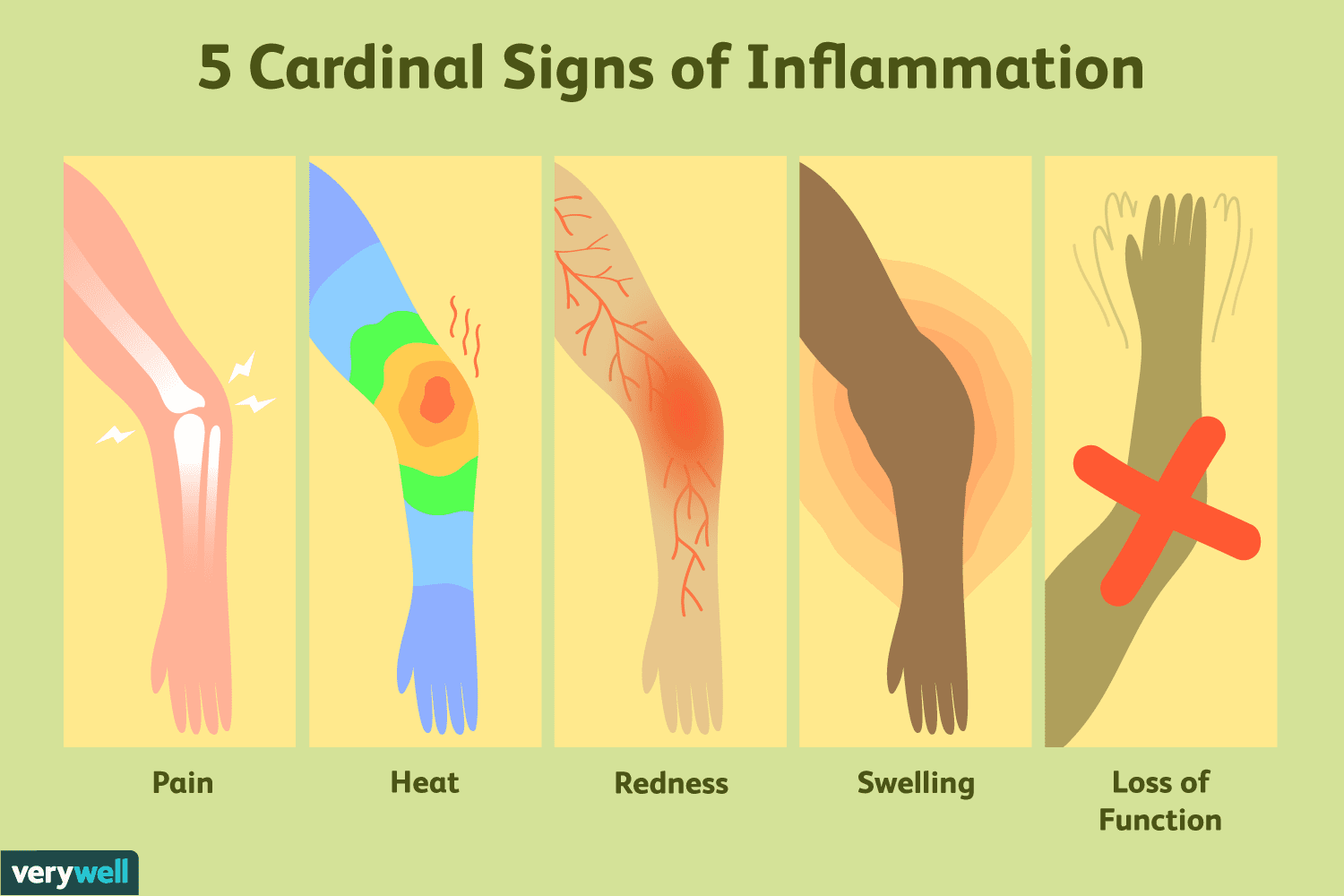
Inflammation is a double-edged sword in the world of health. On one side, it’s a vital part of the body’s immune response, signalling the immune system to heal and repair damaged tissues and defend against foreign invaders like viruses and bacteria. On the other side, when inflammation becomes chronic, it can lead to a plethora of health problems.
So, how can you manage inflammation through your diet and lifestyle? Let’s dive into the details.
Inflammation is the body’s way of protecting itself. When you get a cut or an infection, your body’s inflammatory response helps fight off harmful invaders and kickstart the healing process. However, when inflammation becomes chronic, it can become a silent killer, contributing to diseases such as heart disease, diabetes, cancer, and arthritis.
Chronic inflammation is often caused by lifestyle factors, including poor diet, lack of exercise, stress, and exposure to toxins.
Certain foods are notorious for promoting inflammation. Here’s a closer look at the culprits:
These include white bread, pastries, and other refined carbs. They can spike blood sugar levels, leading to a burst of inflammation.
High in trans fats, fried foods have been linked to increased inflammation and a higher risk of heart disease.
Soda and other sugary drinks are major contributors to weight gain and insulin resistance, both of which promote inflammation.
These meats contain high levels of saturated fats and advanced glycation end products (AGEs), compounds that can trigger inflammation.
High alcohol consumption can lead to chronic inflammation and liver disease.
Incorporating anti-inflammatory foods into your diet can help combat chronic inflammation and improve overall health. Here are some powerful anti-inflammatory foods:
Fish rich in omega-3 fatty acids, such as salmon, mackerel, and sardines, are known for their inflammation-fighting properties.
Berries, cherries, oranges, tomatoes, and leafy greens are packed with antioxidants and polyphenols, which help reduce inflammation.
Almonds, walnuts, flaxseeds, and chia seeds are excellent sources of anti-inflammatory omega-3 fats.
Extra-virgin olive oil contains oleocanthal, a compound with similar anti-inflammatory effects as ibuprofen.
Turmeric, ginger, and garlic are renowned for their potent anti-inflammatory effects.
Your gut health plays a pivotal role in managing inflammation. A healthy gut microbiome can significantly reduce inflammation, while an imbalance can contribute to chronic inflammatory conditions. Consuming probiotics and prebiotics, such as yogurt, kefir, sauerkraut, and fibre foods, supports a healthy gut microbiome.
A diverse and balanced gut microbiome acts as a protective barrier against inflammation, keeping your immune system in check and your body in balance.
Diet isn’t the only factor that affects inflammation. Your lifestyle choices also play a crucial role. Here are some key factors to consider:
Physical activity can help reduce inflammation and improve overall health. Aim for at least 30 minutes of moderate exercise three days a week.
Poor sleep quality and insufficient sleep are linked to higher levels of inflammatory markers. Strive for seven to nine hours of quality sleep per night.
Chronic stress can exacerbate inflammation, so it is beneficial to incorporate stress-reducing practices like meditation, and deep breathing exercises.
Avoiding smoking and reducing exposure to environmental toxins can help lower inflammation levels.
Understanding the relationship between inflammation and nutrition is essential for preventing and managing chronic diseases. By making informed dietary choices and lifestyle changes, you can take proactive steps toward reducing inflammation and improving your overall health. Your body will thank you for it!
Whether you prefer the energy of a group or the focus of a one-on-one session, our Cape Town-based Pilates studio offers expert instruction to help you improve your posture, build strength, and feel great. Book your Pilates class today!

Discover how Pilates and Fascial Fitness can positively impact your mental health. Explore the benefits and transformative effects of just 10 minutes a day.
Fascia is found everywhere in the body. In this article, we look at what fascia is, how it affects the body and why we want our fascia to be fit!

Sitting at your desk for 8 hours (or more) a day? That’s not good! Here are 6 easy ways to incorporate movement into your day.
We use cookies to track visitors, measure ads, ad campaign effectiveness and analyze site traffic. We may also share information about your use of our site with 3rd parties. For more info, see, our Cookies Policy, our Privacy Policy. By clicking “Accept All” you agree to the storing of all cookies on your device. In case you don’t choose one of these options and use our website, we will treat it as if you have accepted all cookies.