Mental Health Through Movement
Discover how Pilates and Fascial Fitness can positively impact your mental health. Explore the benefits and transformative effects of just 10 minutes a day.
The lymphatic system is one of the most crucial yet often overlooked systems in the human body. It plays a vital role in immune function, fluid balance, and detoxification. Unlike the circulatory system, which has the heart to pump blood, the lymphatic system relies entirely on movement to keep lymph fluid flowing. This makes physical activity an essential part of maintaining a healthy immune system and overall well-being.
In this blog, we’ll explore how the lymphatic system works, why movement is integral to its function, and the best ways to keep your lymph flowing efficiently.
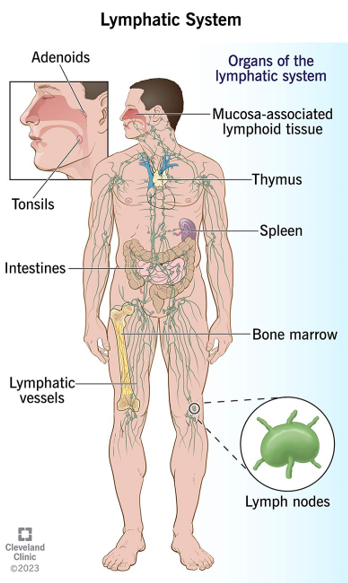
The lymphatic system is a vast network of vessels, nodes, and organs that transport lymph fluid throughout the body. It works alongside the circulatory system but serves a different purpose—primarily immune defense and waste removal.
The lymph nodes filter harmful substances like bacteria, viruses, and toxins, producing immune cells (such as white blood cells) to fight infections.
The lymphatic system removes metabolic waste, excess proteins, and cellular debris from tissues.
It helps regulate the body’s fluid levels by collecting excess interstitial fluid and returning it to the bloodstream.
The lymphatic system transports dietary fats from the digestive system into the bloodstream via specialized vessels called lacteals.
Unlike blood circulation, which is powered by the heart, lymph fluid depends entirely on external forces for movement. Without proper circulation, lymph fluid can stagnate, leading to swelling, toxin buildup, and a weakened immune system.
Every time we move, our muscles contract and squeeze the lymphatic vessels, pushing fluid through the system.
The act of breathing deeply creates pressure changes in the chest cavity, as the diaphragm contracts on inhale and then relaxes on exhale, helping pump lymphatic fluid.
Any physical activity, from walking to Pilates, yoga, and fascial release, stimulates lymph flow and prevents congestion.
Because the lymphatic system doesn’t have a central pump, regular movement is critical to ensuring it functions properly. When we live a sedentary lifestyle, lymphatic fluid can become stagnant, leading to issues such as:
Lymphedema is the fluid accumulation in tissues, often in the legs, arms, or face.
A sluggish lymphatic system can make the body more prone to infections.
When lymph flow is slow, waste products remain in the body longer, contributing to inflammation and fatigue.
To keep your lymphatic system functioning optimally, incorporating movement into your daily routine is essential. Here are some of the best ways to promote lymphatic drainage:
Jumping on a rebounder is one of the most effective exercises for lymphatic circulation. The up-and-down motion creates a gravitational shift that encourages lymph flow and detoxification.
Even simple activities like walking, stretching, or gentle Pilates and yoga can help stimulate lymph movement. Walking encourages muscle contractions, which push lymph through the vessels.
Yoga poses that involve twisting and inversion (such as downward dog or legs-up-the-wall pose) help stimulate lymphatic drainage by encouraging lymph movement toward the heart.
Read: Yoga and Pilates: Connecting Consciousness and Whole-Body Commitment
Deep belly breathing, also known as diaphragmatic breathing, creates pressure changes in the chest that help move lymph. Practicing slow, deep breaths for a few minutes daily can significantly improve lymphatic function.
Dry brushing involves using a soft-bristled brush on the skin in circular motions toward the heart. This stimulates lymph flow, exfoliates the skin, and promotes detoxification.
Lymph is about 95% water, so staying hydrated is crucial for keeping the fluid moving smoothly. Drinking plenty of water helps flush out toxins and supports overall lymphatic function.
Creating fascial flexibility and fascial integrity to create “space” in the tissues and then moving into that space assists hugely with moving lymph. “Space” is created by hydrating the fascia using self-release techniques and maintaining that space with strengthening exercises.
Sessions focus on diaphragmatic breathing whilst employing techniques of compression and expansion (rolling & shearing using balls & rollers), bouncing, tensegrity and pandiculation to get the fascia “unstuck”.
A specialized technique called lymphatic drainage massage can help move stagnant lymph, reduce swelling, and enhance immune function. Regular massages can be beneficial, especially for individuals prone to lymphedema.
The lymphatic system is a vital part of overall health, supporting immunity, detoxification, and fluid balance. Since it lacks a built-in pump, movement is the key to keeping it flowing effectively. By incorporating regular exercise, deep breathing, hydration, and other lymph-boosting practices, you can help your body detox naturally and stay resilient against illness.
So, keep moving—your lymphatic system will thank you!
Embrace the power of fascial fitness and unlock the full potential of your body’s hidden network. At moveOn 89, we offer a wide range of wellness classes, including Pilates, HIIT, and Fascial Fitness.
Ready to get moving and support your lymphatic health? Our Cape Town fitness classes are designed to keep you active, energized, and feeling your best. Join a class at our Cape Town studio today and take the first step toward a healthier, stronger you!

Discover how Pilates and Fascial Fitness can positively impact your mental health. Explore the benefits and transformative effects of just 10 minutes a day.

Discover the benefits of HIIT and incorporate it into your fitness routine. Get started with step-by-step instructions and a sample workout to get you fit.

Yoga & Pilates are both excellent forms of exercise with many similarities, yet they are different disciplines with diverse origins and techniques.
We use cookies to track visitors, measure ads, ad campaign effectiveness and analyze site traffic. We may also share information about your use of our site with 3rd parties. For more info, see, our Cookies Policy, our Privacy Policy. By clicking “Accept All” you agree to the storing of all cookies on your device. In case you don’t choose one of these options and use our website, we will treat it as if you have accepted all cookies.