Understanding the Vagus Nerve: Functions and Impact on Health
Discover the vital role of the vagus nerve in maintaining heart, digestive, immune, and mental health, and learn ways to support its function.
When we think of mental health, we often think of therapy, medications, or lifestyle changes. But what if we told you there’s a powerful nerve running through your body that directly affects your mental well-being? Meet the vagus nerve, a key player in the mind-body connection and an unsung hero in emotional regulation.
Let’s explore the vagus nerve’s role in mental health, how it works, and natural ways to stimulate it for improved mood, reduced anxiety, and overall emotional balance.
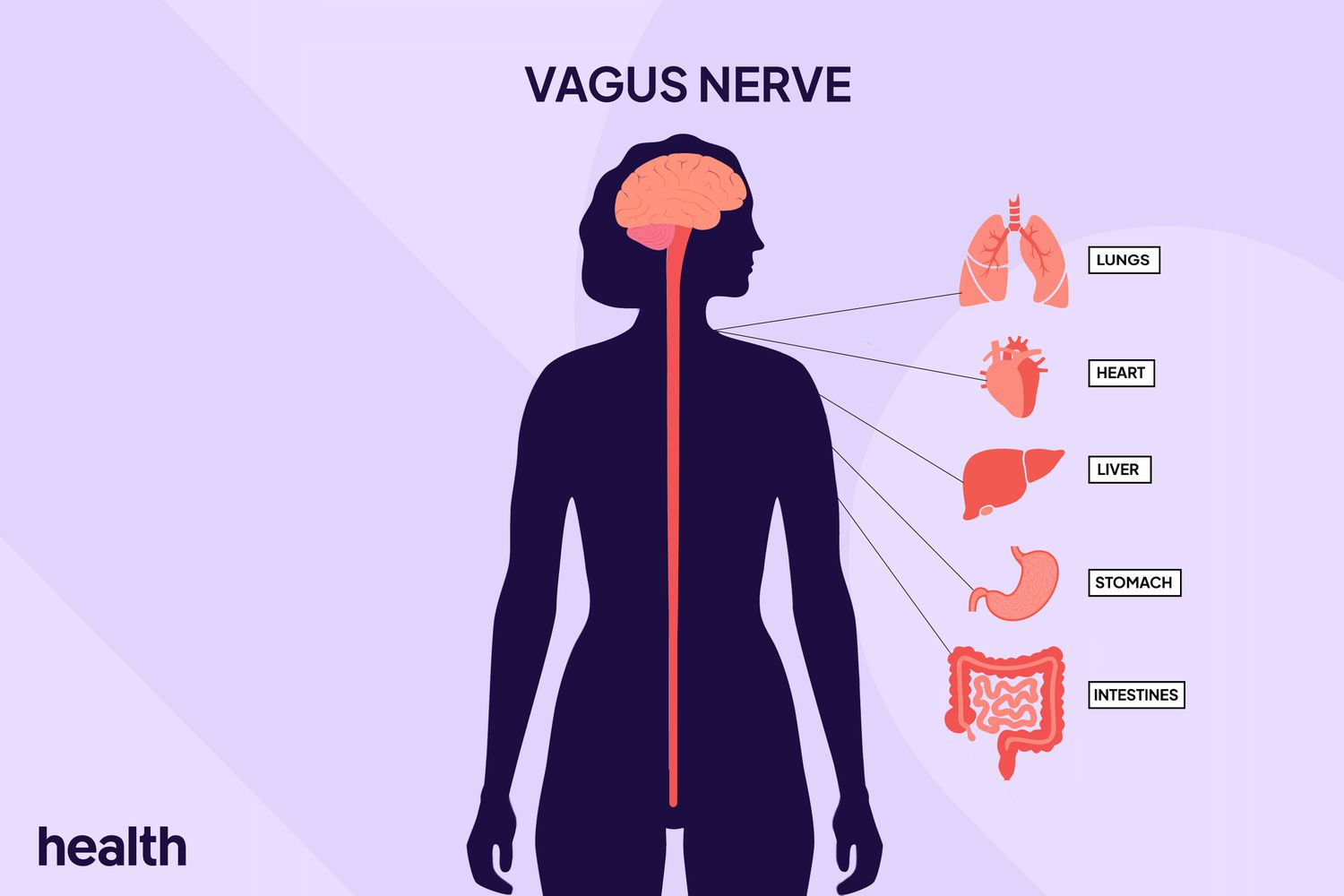
The vagus nerve, also known as the tenth cranial nerve, is the longest and most complex of the cranial nerves. It runs from your brainstem through your neck and into your chest and abdomen, connecting major organs like the heart, lungs, and digestive tract.
It’s a vital part of the parasympathetic nervous system, which is responsible for the body’s “rest and digest” functions. In simple terms, it helps your body calm down after stress, promoting relaxation and recovery.
One of the vagus nerve’s most important roles is regulating the body’s stress response. It helps balance the sympathetic nervous system (fight or flight) by activating the parasympathetic nervous system. A well-toned vagus nerve means your body can quickly recover from stress, which is crucial for reducing anxiety and depression.
The vagus nerve is deeply connected to areas of the brain involved in emotional processing, including the amygdala and prefrontal cortex. Research shows that higher vagal tone (a measure of vagus nerve activity) is linked to better emotional regulation, social connection, and resilience to stress.
The vagus nerve plays a direct role in the gut-brain axis, the communication network between your digestive system and your brain. Since over 90% of serotonin (the “feel-good” neurotransmitter) is produced in the gut, a healthy vagus nerve can support better mood stability and mental clarity.
If these symptoms sound familiar, your vagus nerve may need some extra care.
Improving vagal tone can have profound benefits on your mental and physical health. Here are a few vagus nerve stimulation techniques you can try:
Nasal breathing with a longer exhale activates the parasympathetic system and stimulates the vagus nerve. Try box breathing or 4-7-8 breathing to calm your mind and body.
Splashing your face with cold water or taking cold showers can activate the vagus nerve and increase alertness and mood.
The vagus nerve is connected to your vocal cords. Activities like chanting “Om,” singing, or humming can tone the nerve and improve emotional well-being.
Practicing mindfulness meditation reduces stress and enhances vagal tone. Even a few minutes a day can help rewire your stress response.
Pilates and restorative or slow flowing movement promotes vagus nerve activation by combining movement, breath, and relaxation.
The vagus nerve is a powerful link between your body and mind. By understanding and supporting its function, you can unlock a new level of mental wellness. Whether you’re dealing with anxiety, stress, or just want to feel more grounded, vagus nerve stimulation offers a natural, effective path to emotional balance.
Jumpstart your wellness journey by joining one of our classes. Begin with a gentle breathing exercise today and notice the difference in your body. Your nervous system will thank you.

Discover the vital role of the vagus nerve in maintaining heart, digestive, immune, and mental health, and learn ways to support its function.

Understanding the impact of nasal and mouth breathing on your health and well-being is crucial. Each can have different effects on your body, so it’s important to consider which is better for you.

Discover how Pilates and Fascial Fitness can positively impact your mental health. Explore the benefits and transformative effects of just 10 minutes a day.
We use cookies to track visitors, measure ads, ad campaign effectiveness and analyze site traffic. We may also share information about your use of our site with 3rd parties. For more info, see, our Cookies Policy, our Privacy Policy. By clicking “Accept All” you agree to the storing of all cookies on your device. In case you don’t choose one of these options and use our website, we will treat it as if you have accepted all cookies.