Mat vs Reformer Pilates: Which Is Right for You?

By Dominic Pereira

If you’re exploring Pilates for the first time, you’ve likely come across two main options: mat and reformer Pilates. In simple terms, mat Pilates uses bodyweight exercises performed on the floor, while reformer Pilates uses a specialized machine to provide resistance and support. Both are highly effective, but they offer different experiences depending on your goals, fitness level, and preferences.

So how do you decide which one is right for you? Let’s break it down.

What Is Mat Pilates?

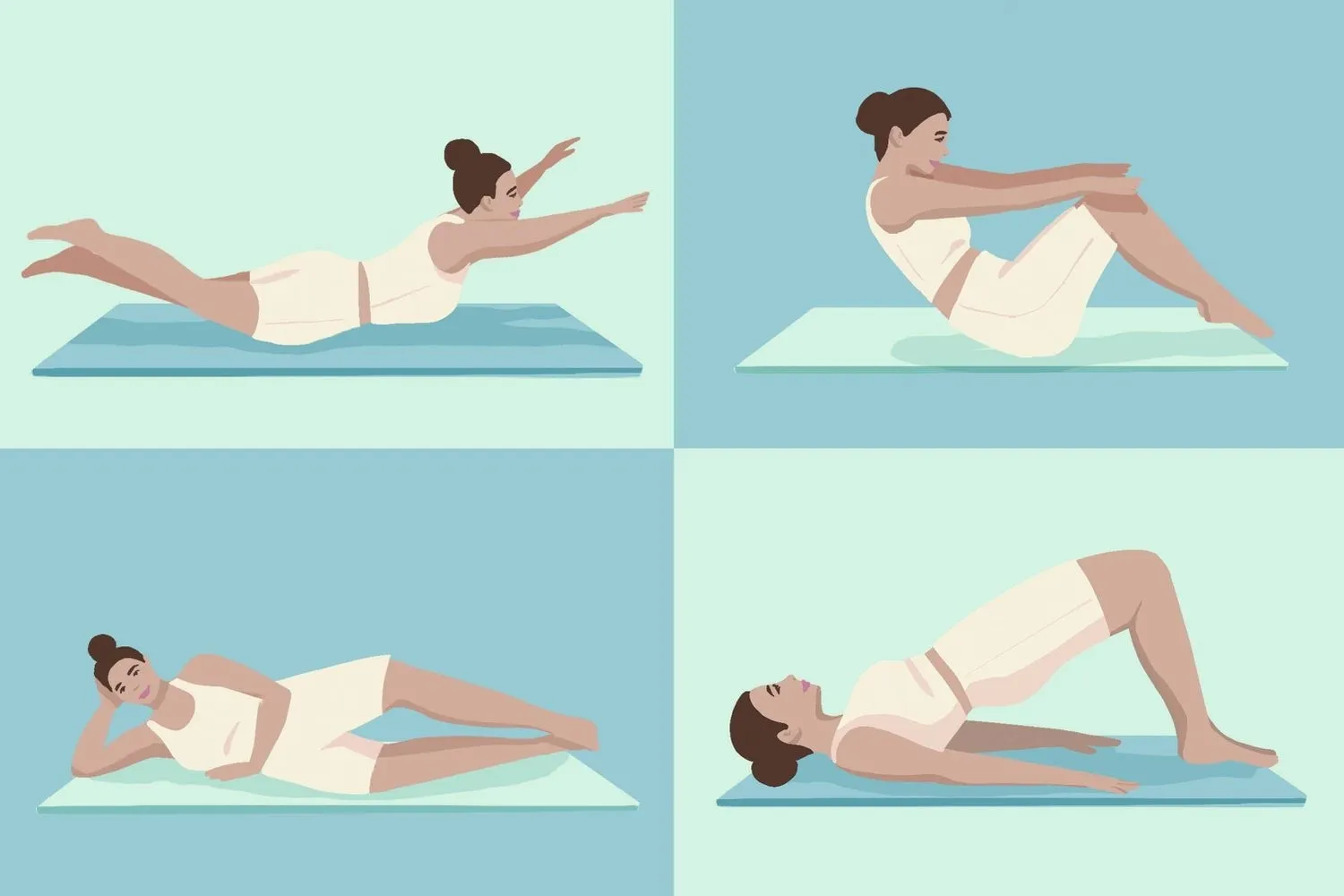
Mat Pilates is the most traditional form of Pilates. It’s performed on a mat using your own body weight for resistance, sometimes with small props like resistance bands or balls.

It focuses on:

  • Core strength and stability
  • Controlled, precise movement
  • Alignment and posture
  • Flexibility and mobility
Image Credit: Real Simple

Because it doesn’t rely on machines, mat Pilates is accessible and versatile. It’s a great way to build a strong foundation and develop body awareness.

What Is Reformer Pilates?

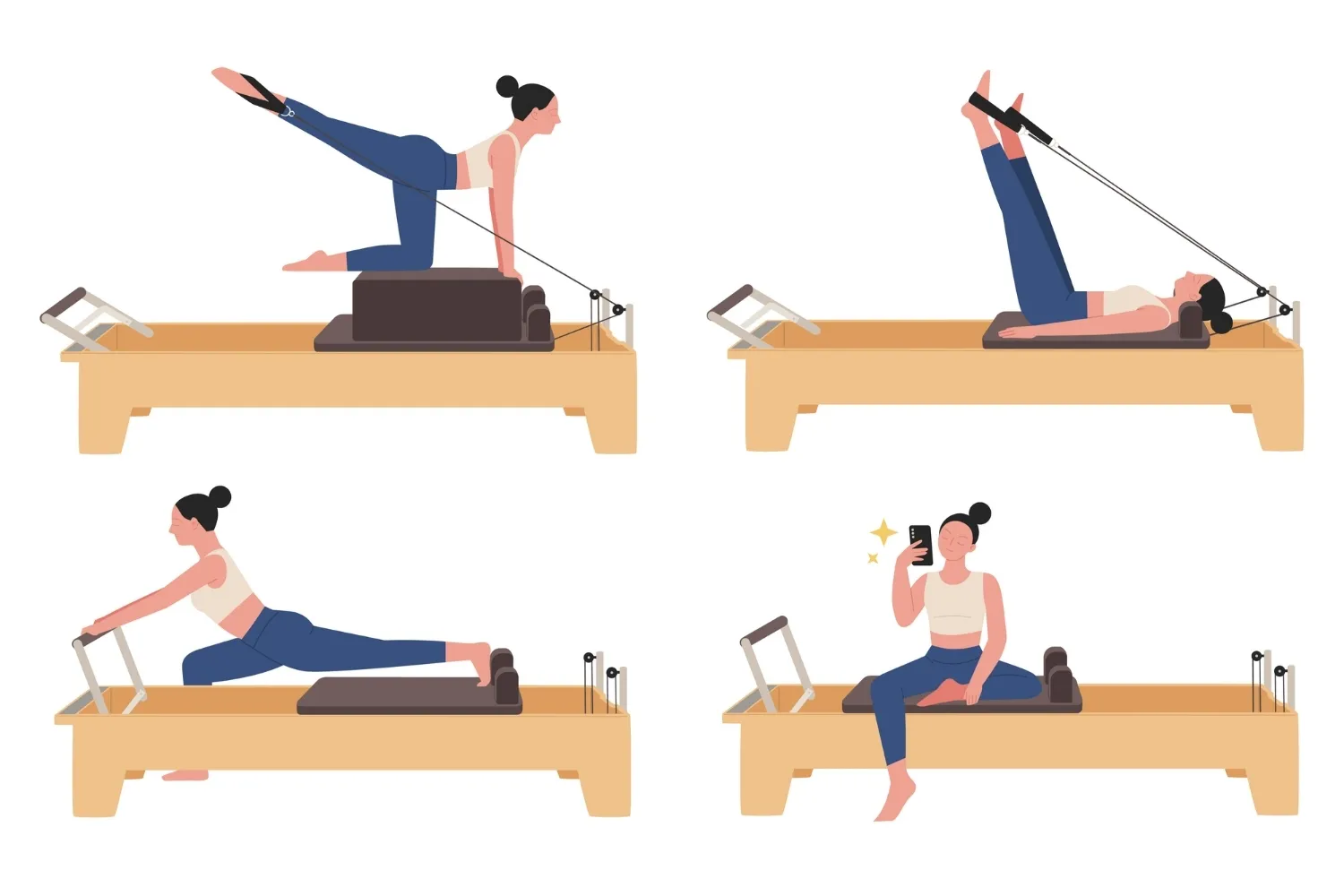
Reformer Pilates uses a specialized piece of equipment called a reformer. This machine includes a sliding carriage, springs for resistance, and straps to guide movement.

Key benefits include:

  • Adjustable resistance for progression
  • Added support for alignment and control
  • A more guided, structured experience
  • Greater variety of exercises
Mat vs Reformer Pilates - Diagram showing examples of Reformer Pilates

Reformer Pilates can feel more supported, especially for beginners or those recovering from injury, because the machine helps guide movement and reduce strain.

What Is the Difference Between Mat and Reformer Pilates?

While both styles share the same principles, the experience can feel quite different.

Format:

Mat classes are typically done on the floor in a group setting, while reformer sessions involve machines and may be more structured or smaller in size.

Equipment:

Mat Pilates requires minimal equipment. Reformer Pilates revolves around the reformer machine.

Level of Support:

Reformer offers more support and guidance through resistance and straps. Mat requires you to stabilize your body without assistance.

Intensity and Progression:

Both can be challenging, but reformer Pilates allows for easier progression through adjustable resistance. Mat Pilates builds intensity through control and technique.

Which Is Better for Beginners?

This is one of the most common questions, and the answer depends on the individual.

  • Reformer Pilates is often more beginner-friendly because the machine provides support and guidance, helping you learn proper alignment.
  • Mat Pilates is excellent for building foundational strength, but it can feel more challenging at first since you rely entirely on your own body.

If you’re unsure, either option can work. It’s more about what feels comfortable and sustainable for you.

Which Is Better for Strength, Posture and Injury Prevention?

Both mat and reformer Pilates are highly effective, but they approach these goals differently.

For strength:

Reformer Pilates allows you to progressively increase resistance, helping you build strength more quickly. Mat Pilates builds strength through control and endurance.

For posture:

Both improve posture by strengthening the core and promoting alignment. Reformer can provide extra feedback and support, which some people find helpful.

For injury prevention or rehab:

Reformer Pilates is often preferred because of its controlled, low-impact nature and ability to support the body during movement.

Which Pilates Option Is Right for You?

Choosing between mat and reformer Pilates comes down to your needs and preferences.

  • If you’re a complete beginner: Reformer may feel more supportive
  • If you want to build a strong foundation: Mat is a great starting point
  • If you’re recovering from injury: Reformer can offer more control and safety
  • If you enjoy simplicity and flexibility: Mat Pilates is ideal
  • If you prefer a guided, structured experience: Reformer may suit you better

There’s no one-size-fits-all answer, only what works best for your body and your goals.

Should You Do Both?

Absolutely.

Mat and reformer Pilates complement each other incredibly well. Mat builds deep core strength and body awareness, while reformer adds resistance, variety, and support.

Combining both can give you a more balanced, well-rounded practice, and help you progress faster over time.

How to Get Started

If you’re ready to begin, the best approach is simply to start with what feels most comfortable.

Both options are designed to support you, no matter where you’re starting from.

Frequently Asked Questions

What is the difference between mat and reformer Pilates?

Mat Pilates uses bodyweight exercises on the floor, while reformer Pilates uses a machine with springs and straps to add resistance and support.

Is reformer Pilates better than mat Pilates?

Neither is better — they simply offer different benefits. The right choice depends on your goals and preferences.

Which Pilates is best for beginners?

Reformer Pilates can feel more supportive for beginners, but mat Pilates is also a great way to build a strong foundation.

Can mat Pilates be as effective as reformer Pilates?

Yes. Mat Pilates is highly effective for building strength, stability, and control.

Which is better for weight loss?

Both can support weight loss when combined with a healthy lifestyle. Consistency matters more than the format.

Do I need equipment for Pilates?

Mat Pilates requires little to no equipment, while reformer Pilates uses specialized machines.

Choosing between mat and reformer Pilates doesn’t have to be complicated. Both are effective, accessible, and can help you feel stronger, more balanced, and more in control of your body.

Find the Right Pilates Class for You

If you’re unsure where to start, explore our Mat Pilates classes at moveOn 89 or experience Reformer Pilates at moveOn 10 to find the approach that suits you best.

If you liked this, you'll love these...

We use cookies to track visitors, measure ads, ad campaign effectiveness and analyze site traffic. We may also share information about your use of our site with 3rd parties. For more info, see, our Cookies Policy, our Privacy Policy. By clicking “Accept All” you agree to the storing of all cookies on your device. In case you don’t choose one of these options and use our website, we will treat it as if you have accepted all cookies.

We use cookies to track visitors, measure ads, ad campaign effectiveness and analyze site traffic. We may also share information about your use of our site with 3rd parties. For more info, see, our Cookies Policy, our Privacy Policy. By clicking “Accept All” you agree to the storing of all cookies on your device. In case you don’t choose one of these options and use our website, we will treat it as if you have accepted all cookies.